01 / 06The practical difference
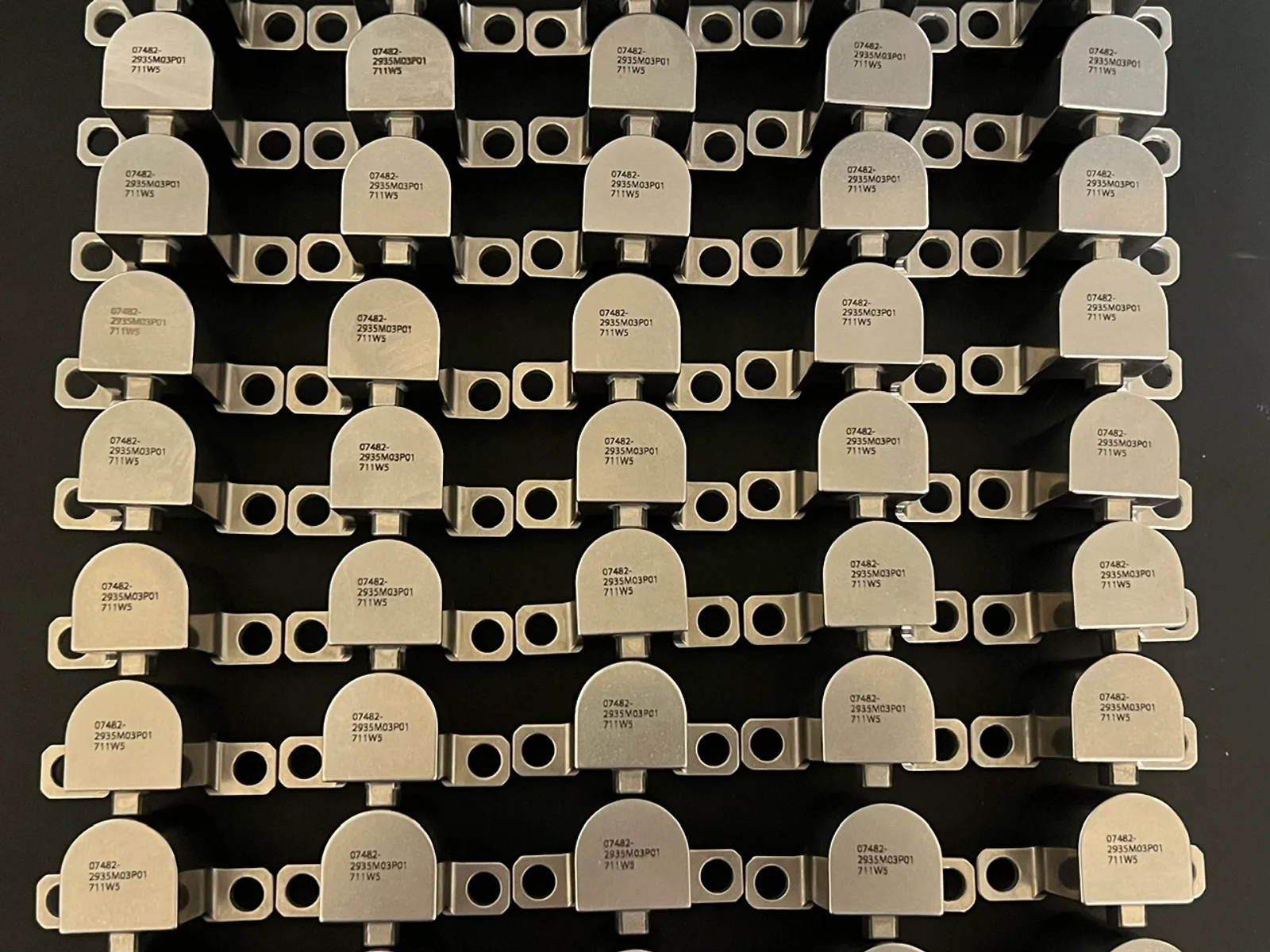
304 is a widely used stainless grade for general industrial service. 316 contains molybdenum and generally provides better resistance to chloride pitting than 304, which can matter around salt, coastal exposure, washdown, and some process environments. Even 316 is not universally resistant to every chemical or service condition.
- 304: the standard grade for EngraveQuick's stocked tag sizes
- 316: available by project when the exposure or specification calls for it
- Customer, OEM, site, or engineering specifications take priority
02 / 06Start with the environment
Describe moisture, salt, chemicals, washdown, heat, abrasion, outdoor exposure, contact with other metals, and expected service life. A material choice should be based on the actual service conditions rather than appearance alone.
- Fresh-water or ordinary indoor industrial exposure
- Coastal, marine, salt-spray, or chloride-bearing exposure
- Chemical process, sanitation, or frequent washdown conditions
03 / 06Follow the approved specification
If a drawing, purchase specification, OEM record, or site standard names a grade, send it with the quote. EngraveQuick does not substitute materials or override the customer's governing engineering requirements.
04 / 06Mark appearance is a separate decision
The stainless grade is usually chosen for service conditions, not because one grade automatically produces a better-looking mark. Surface finish, material condition, laser settings, layout, and required contrast all affect the final appearance.
05 / 06Availability and project cost
EngraveQuick currently stocks common tag sizes in 304 stainless at approximately 0.048 inch / 1.2 mm thick. 316, other thicknesses, and custom shapes are quoted separately because current material availability, cutting requirements, and pricing vary by job.
06 / 06A useful technical reference
For a deeper materials overview, the Nickel Institute publishes guidance on selecting stainless steels for service environments. The project specification and responsible engineering authority remain the final source of truth.